
Sitemap
A list of all the posts and pages found on the site. For you robots out there is an XML version available for digesting as well.
Pages
Posts
Future Blog Post
Published:
This post will show up by default. To disable scheduling of future posts, edit config.yml and set future: false.
Blog Post number 4
Published:
This is a sample blog post. Lorem ipsum I can’t remember the rest of lorem ipsum and don’t have an internet connection right now. Testing testing testing this blog post. Blog posts are cool.
Blog Post number 3
Published:
This is a sample blog post. Lorem ipsum I can’t remember the rest of lorem ipsum and don’t have an internet connection right now. Testing testing testing this blog post. Blog posts are cool.
Blog Post number 2
Published:
This is a sample blog post. Lorem ipsum I can’t remember the rest of lorem ipsum and don’t have an internet connection right now. Testing testing testing this blog post. Blog posts are cool.
Blog Post number 1
Published:
This is a sample blog post. Lorem ipsum I can’t remember the rest of lorem ipsum and don’t have an internet connection right now. Testing testing testing this blog post. Blog posts are cool.
portfolio
Transportation Analytics and Planning
this section highlights key initiatives such as pedestrian and cyclist infrastructure planning, transit-oriented development research, electric vehicle deployment strategies, bike-sharing system analysis, and bus stop optimization using spatial methodologies. Each project demonstrates expertise in integrating data-driven insights with sustainable transportation solutions to address urban mobility challenges.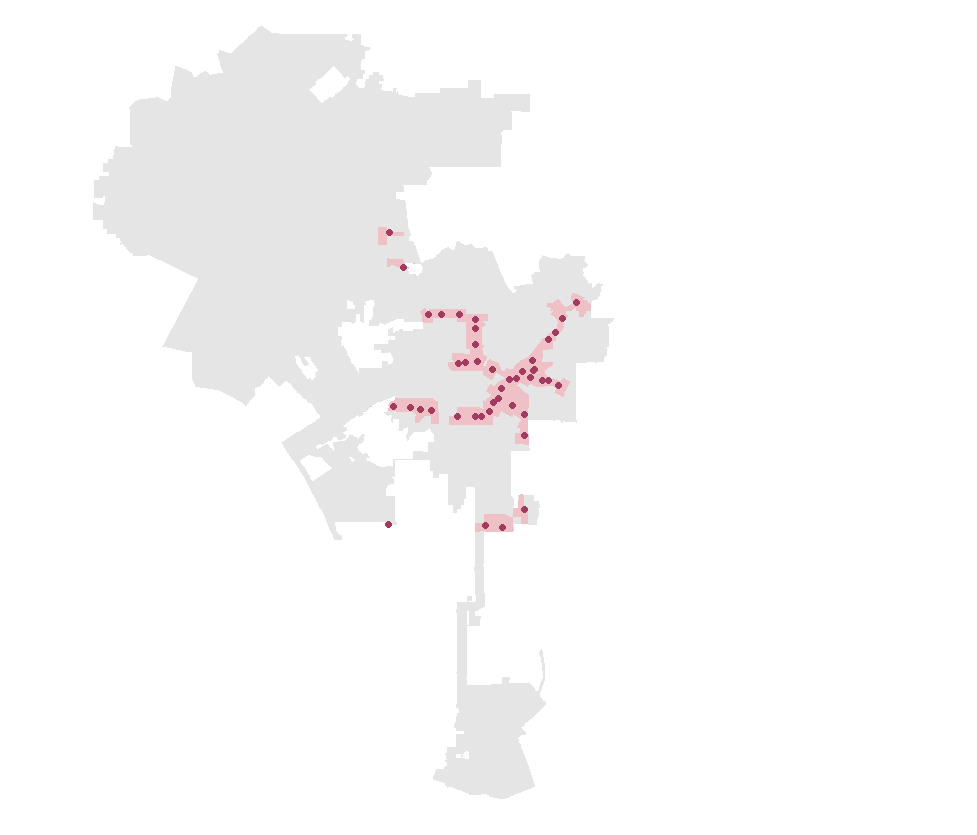
Urban Analytics
Utilized R and Python to perform advanced spatial analytics, providing insights into urban patterns and supporting city decision-making processes. Projects included analyzing police patrolling strategies, housing price trends, drunk driving incidents, and other critical urban issues. 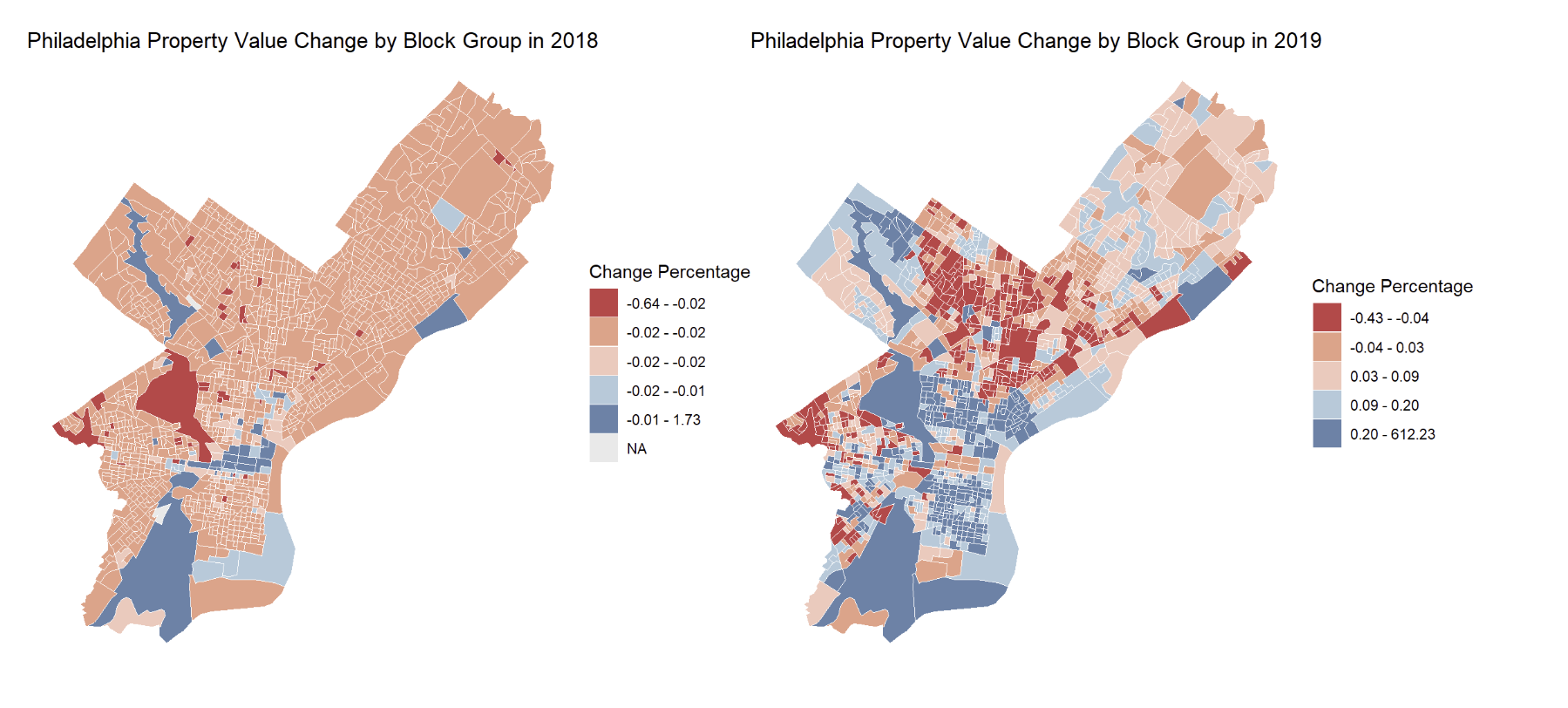
Urban Planning and Urban Design
This section highlights urban planning initiatives, emphasizing urban design while integrating policy frameworks and multidisciplinary approaches. It focuses on inclusive urban planning, transportation and logistics strategies, and urban renewal projects aimed at fostering sustainable and equitable development. 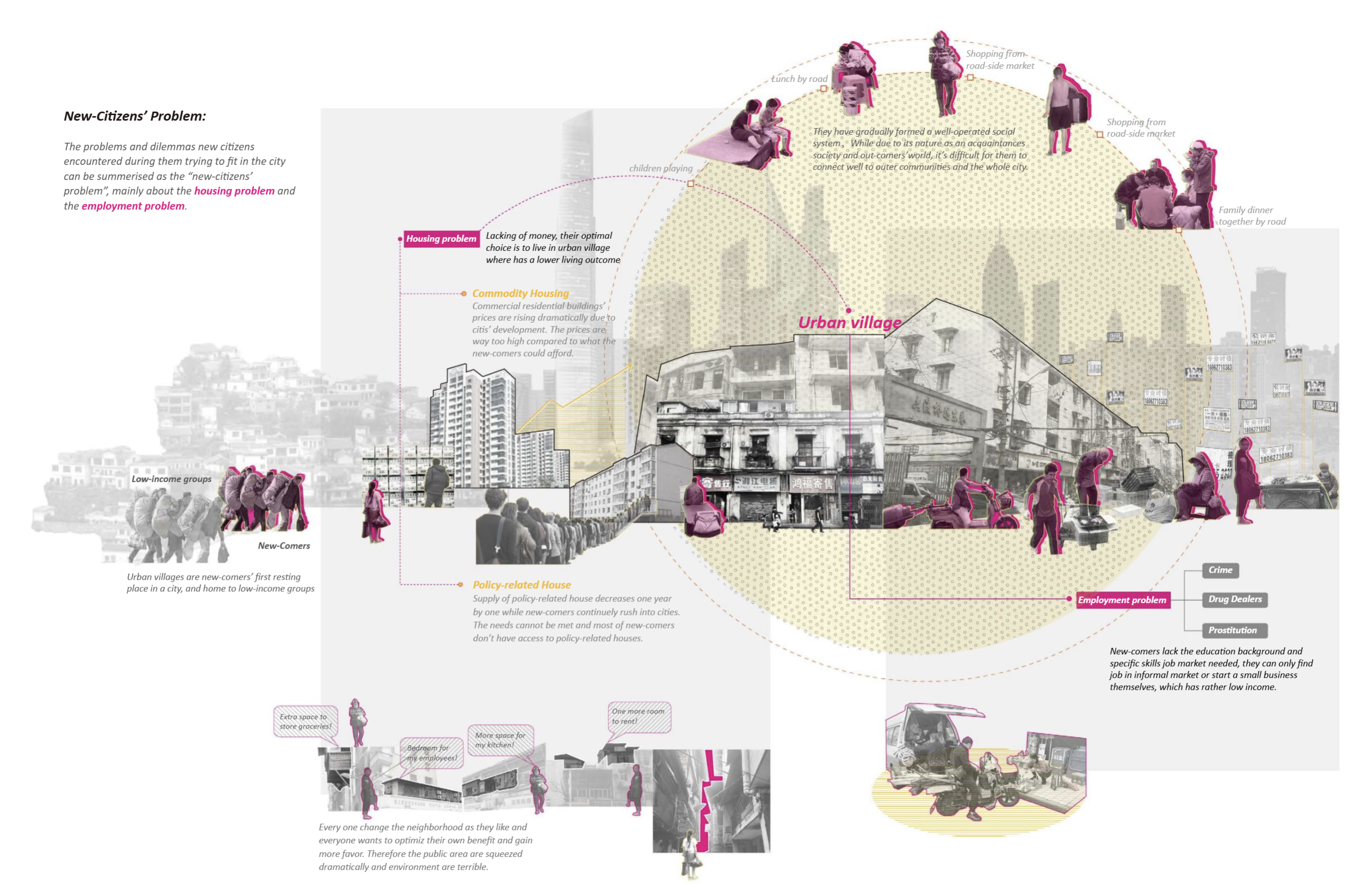
publications
AI Agent as Urban Planner: Steering Stakeholder Dynamics in Urban Planning via Consensus-based Multi-Agent Reinforcement Learning (https://arxiv.org/abs/2310.16772)
Published in arXiv, 2023
In urban planning, land use readjustment plays a pivotal role in aligning land use configurations with the current demands for sustainable urban development. However, present-day urban planning practices face two main issues. Firstly, land use decisions are predominantly dependent on human experts. Besides, while resident engagement in urban planning can promote urban sustainability and livability, it is challenging to reconcile the diverse interests of stakeholders. To address these challenges, we introduce a Consensus-based Multi-Agent Reinforcement Learning framework for real-world land use readjustment. This framework serves participatory urban planning, allowing diverse intelligent agents as stakeholder representatives to vote for preferred land use types. Within this framework, we propose a novel consensus mechanism in reward design to optimize land utilization through collective decision making. To abstract the structure of the complex urban system, the geographic information of cities is transformed into a spatial graph structure and then processed by graph neural networks. Comprehensive experiments on both traditional top-down planning and participatory planning methods from real-world communities indicate that our computational framework enhances global benefits and accommodates diverse interests, leading to improved satisfaction across different demographic groups. By integrating Multi-Agent Reinforcement Learning, our framework ensures that participatory urban planning decisions are more dynamic and adaptive to evolving community needs and provides a robust platform for automating complex real-world urban planning processes.
Recommended citation: Qian, Kejiang, Lingjun Mao, Xin Liang, Yimin Ding, Jin Gao, Xinran Wei, Ziyi Guo, and Jiajie Li. "AI Agent as Urban Planner: Steering Stakeholder Dynamics in Urban Planning via Consensus-based Multi-Agent Reinforcement Learning." arXiv preprint arXiv:2310.16772 (2023).
Interpretable spatial machine learning insights into urban sanitation challenges: A case study of human feces distribution in San Francisco
Published in Sustainable Cities and Society, 2024
Urban sanitation is critical for public health, with the management of human feces presenting significant challenges in growing urban areas. While prior research has concentrated on the health impacts of fecal contaminants, the spatial distribution and determinants of open defecation in urban contexts have received less attention. To address these gaps, this study proposed an interpretable spatial machine learning framework integrating Geographically Weighted Random Forest (GW-RF) and SHapley Additive exPlanations (SHAP) analysis to reveal the complex spatial heterogeneity and factors influencing feces density in cities, taking San Francisco as a case study. Our findings highlight that homelessness, population density, and building density are critical drivers of feces distribution. Importantly, higher restroom density was linked to increased feces density, underscoring the need for urban planning to focus on improving restroom accessibility rather than merely increasing their number. Additionally, our research suggests that green spaces serve as a mitigating factor, indicating that enhancing urban greenery could be an effective strategy for addressing sanitation challenges. This study not only offers insights into San Francisco’s urban sanitation management but also provides practical implications for urban development strategies globally, advocating for targeted, evidence-based interventions to foster healthier and more sustainable cities.
Recommended citation: Yi, S., Li, X., Wang, R., Guo, Z., Dong, X., Liu, Y., & Xu, Q. (2024). Interpretable spatial machine learning insights into urban sanitation challenges: A case study of human feces distribution in San Francisco. Sustainable Cities and Society, 113, 105695.
talks
Talk 1 on Relevant Topic in Your Field
Published:
This is a description of your talk, which is a markdown files that can be all markdown-ified like any other post. Yay markdown!
Conference Proceeding talk 3 on Relevant Topic in Your Field
Published:
This is a description of your conference proceedings talk, note the different field in type. You can put anything in this field.
teaching
Teaching experience 1
Undergraduate course, University 1, Department, 2014
This is a description of a teaching experience. You can use markdown like any other post.
Teaching experience 2
Workshop, University 1, Department, 2015
This is a description of a teaching experience. You can use markdown like any other post.